Research & Insights
Evidence-based analysis of AI's transformative impact on creative work and industries.
Of creative professionals have experimented with AI tools
Report increased productivity when using AI assistance
Express concerns about AI's impact on their profession
Key Research Findings
Adoption Patterns Across Creative Fields
Research indicates that AI tool adoption varies significantly across creative disciplines. Software developers lead with 84% adoption rates, followed by content writers at 71%, graphic designers at 68%, and musicians at 52%. Traditional fine artists show the lowest adoption at 34%, reflecting both technological barriers and philosophical resistance to algorithmic creativity.
Early adopters typically use AI for ideation, rapid prototyping, and handling repetitive tasks rather than complete project execution. Integration patterns suggest AI functions best as a collaborative tool rather than a standalone solution, with human oversight remaining critical for quality control and creative direction.
Productivity and Workflow Impact
Studies examining workflow changes reveal mixed productivity outcomes. While 45% of users report significant time savings on specific tasks, overall project completion times show more modest improvements averaging 15-20%. The disparity stems from increased iteration cycles as AI enables rapid exploration of more creative options.
Interestingly, professionals report spending less time on technical execution but more time on conceptual refinement and quality assessment. This shift suggests AI is changing the nature of creative work rather than simply accelerating existing processes. The most successful implementations involve restructuring workflows to leverage AI strengths while preserving human judgment at critical decision points.
Economic Implications and Market Changes
Economic analysis reveals complex market dynamics as AI tools proliferate. Entry-level creative work faces downward pricing pressure, with some clients substituting human creators for AI-generated content. However, demand for high-end creative services requiring strategic thinking and brand expertise remains strong, creating market polarization between commodity and premium creative work.
Freelancers integrating AI tools report competitive advantages through faster turnaround times and expanded service offerings. Conversely, those relying solely on technical execution skills without strategic capabilities face increasing competition. The data suggests professional success increasingly depends on combining AI proficiency with irreplaceable human skills like empathy, cultural awareness, and strategic problem-solving.
Skills Evolution and Learning Curves
Educational institutions and professional development programs are adapting curricula to address AI integration. Research shows creative professionals need new competencies including prompt engineering, AI tool evaluation, output refinement, and ethical AI use. Traditional technical skills remain valuable but are increasingly complemented by meta-skills focused on directing and evaluating AI outputs.
Longitudinal studies tracking creative professionals reveal that initial AI adoption creates temporary productivity dips averaging 2-3 weeks as users develop effective workflows. However, after 2-3 months of regular use, productivity gains stabilize and users report higher satisfaction with creative exploration capabilities. This suggests organizational change management and training investment are critical for successful AI integration.
Industry-Specific Insights
Visual Design

AI image generation reduces concept visualization time by 60% but requires extensive refinement for production use. Designers report AI excels at generating variations and exploring styles but struggles with precise brand consistency and complex compositions requiring human judgment.
Content Writing

AI writing assistants accelerate first drafts and research but require significant human editing for voice, accuracy, and depth. Writers using AI report 30% faster content production but emphasize that strategic thinking and authentic storytelling remain exclusively human domains.
Music Production

AI composition tools enable rapid backing track creation and arrangement suggestions. Musicians appreciate AI for overcoming creative blocks but maintain that emotional expression, performance nuance, and cultural context require human artistry that algorithms cannot replicate.
Video Production
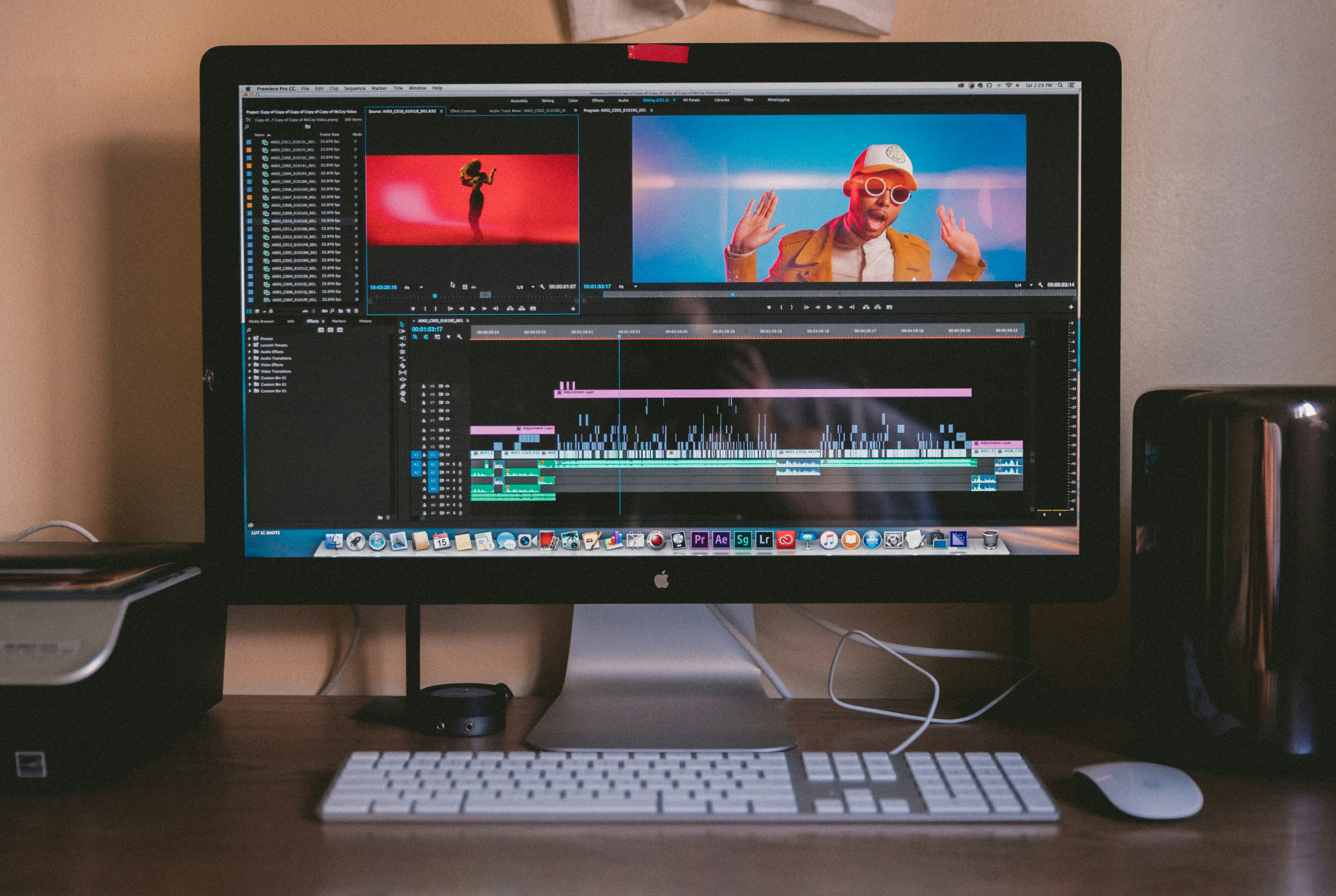
AI video editing tools automate color grading, audio synchronization, and rough cuts, reducing post-production time by 40%. However, narrative pacing, emotional timing, and storytelling decisions remain firmly in human hands as these require contextual understanding beyond AI capabilities.
Software Development

AI coding assistants generate boilerplate code and suggest implementations, increasing development speed by 25-35%. Developers emphasize that system architecture, business logic, debugging complex issues, and security considerations still require human expertise and cannot be fully automated.
Marketing & Advertising

AI generates ad variations and audience targeting suggestions efficiently. Marketing professionals leverage AI for data analysis and campaign optimization but stress that brand strategy, creative direction, and understanding consumer psychology remain distinctly human skills essential for effective campaigns.
Future Outlook
Looking ahead, research suggests a hybrid future where AI and human creativity exist in symbiosis rather than competition. The most likely scenario involves AI handling increasingly sophisticated technical execution while humans focus on strategic direction, emotional resonance, and cultural meaning-making.
Successful creative professionals will likely be those who develop strong AI literacy while cultivating irreplaceable human capabilities including empathy, ethical judgment, cultural awareness, and strategic thinking. Educational systems are beginning to adapt, emphasizing these meta-skills alongside traditional creative training.
The transition period presents challenges including economic disruption, skill obsolescence, and ethical concerns. However, history suggests that new creative opportunities emerge alongside technological advancement. The key lies in thoughtful integration that amplifies human creativity rather than replacing it, ensuring AI serves as assistant rather than competitor in the creative landscape.
Stay Informed
Our research continues to evolve as AI technology advances and creative industries adapt. Contact us to learn more about our ongoing studies and collaborate on research initiatives.
Connect With Us