Diverse Perspectives on AI & Creativity
Voices from across the creative spectrum share their experiences, concerns, and hopes for the AI-driven future.
The Creative Community Speaks
Understanding AI's impact requires listening to those at the forefront of creative innovation and disruption.
The Artist's View
Visual Creators & Designers

Many visual artists view AI as a democratizing force that makes sophisticated creative tools accessible to everyone. AI image generators enable rapid exploration of concepts and styles that would take hours or days manually. However, concerns persist about the training data used, questions of originality, and the devaluation of traditional artistic skills.
Some artists embrace AI as a collaborative partner, using it to break through creative blocks and discover unexpected directions. Others worry that widespread AI adoption threatens the livelihood of illustrators, concept artists, and designers as clients increasingly turn to automated solutions for commercial work.
The Writer's Voice
Authors & Content Creators

Writers have complex relationships with AI writing tools. Many appreciate AI assistance for brainstorming, outlining, and overcoming writer's block. AI can suggest alternative phrasings, catch inconsistencies, and help with research. Professional writers often use AI as an editorial assistant rather than a replacement for human creativity and voice.
Concerns center on authenticity and the unique human perspective that defines meaningful writing. While AI can generate grammatically correct text, writers argue that truly resonant storytelling requires lived experience, emotional depth, and cultural understanding that AI cannot replicate. The flood of AI-generated content also raises questions about market saturation and content quality.
The Musician's Melody
Composers & Sound Artists

Musicians see AI as expanding the sonic palette available to creators. AI composition tools can generate backing tracks, suggest harmonies, and create variations on themes. For independent artists, AI reduces production costs and enables professional-quality output without expensive studio time. AI also opens new possibilities for generative music and interactive soundscapes.
However, musicians emphasize that emotional expression and performance nuance remain distinctly human. While AI can analyze patterns in existing music, the spontaneity, improvisation, and cultural context that define meaningful musical experiences require human intuition. Questions about copyright and fair compensation for AI-generated music using existing works remain contentious.
The Developer's Logic
Software Engineers & Programmers
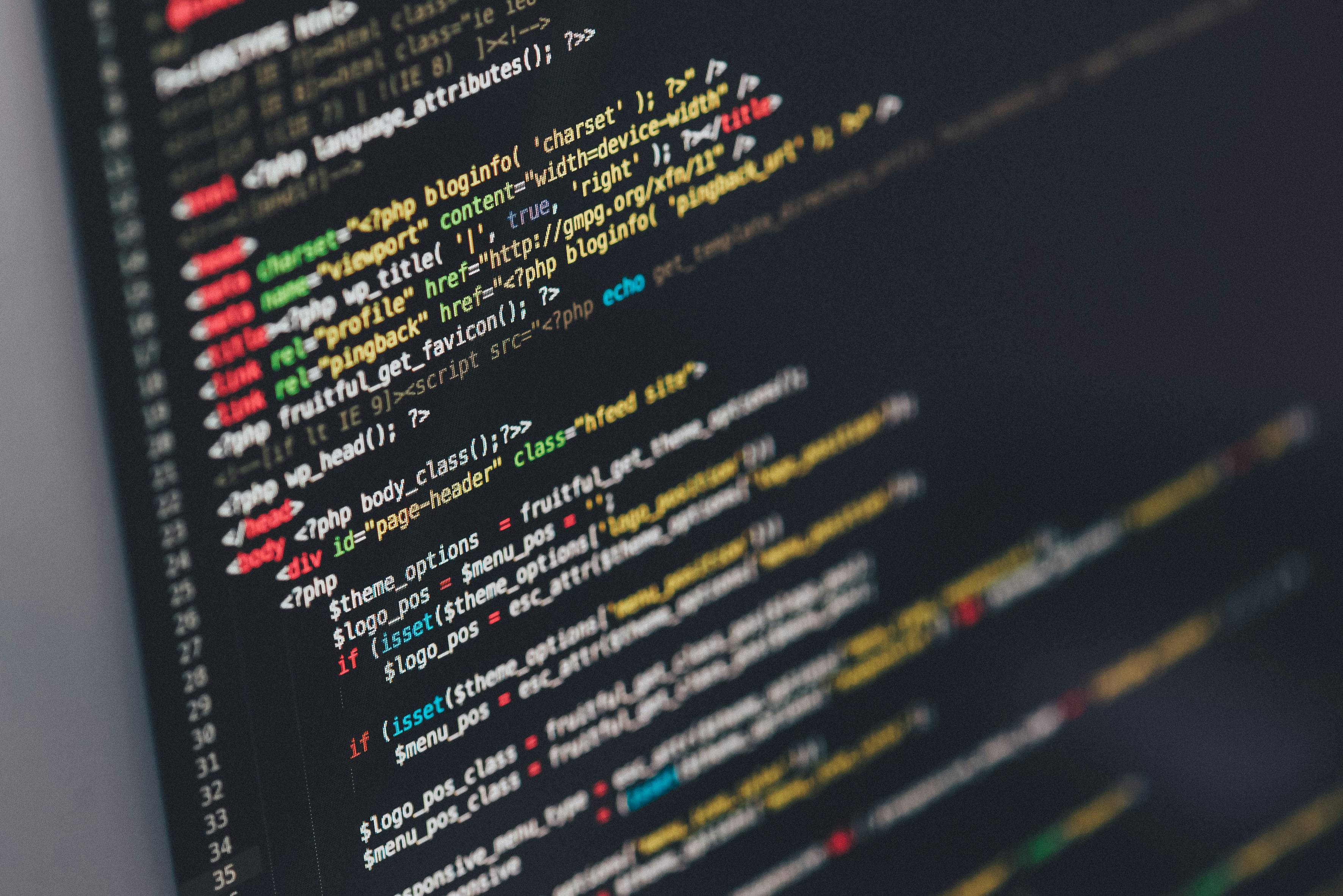
Developers view AI coding assistants as productivity multipliers that handle boilerplate code, suggest optimizations, and catch potential bugs. AI tools accelerate development cycles and lower barriers for those learning programming. Many developers appreciate having an always-available pair programming partner that can explain complex concepts and generate initial implementations.
Yet developers emphasize that software engineering involves much more than writing code. System architecture, understanding business requirements, debugging complex issues, and maintaining codebases require problem-solving skills and contextual understanding that AI currently lacks. There's also concern about over-reliance on AI-generated code leading to security vulnerabilities or maintenance nightmares.
Common Themes Across Disciplines
The Augmentation vs. Replacement Debate
Across all creative fields, professionals debate whether AI primarily serves as a tool to enhance human capabilities or as a replacement that threatens traditional creative roles. Most acknowledge both potentials exist simultaneously, with outcomes depending on implementation and market forces.
The Irreplaceable Human Element
Creative professionals consistently emphasize that genuine creativity involves emotional intelligence, cultural understanding, lived experience, and intentionality that AI cannot replicate. The human ability to imbue work with meaning, context, and authentic expression remains a competitive advantage.
Economic Concerns and Adaptation
Many creatives worry about market devaluation as AI-generated content floods markets at lower costs. However, there's also recognition that those who effectively integrate AI into their workflows may gain significant competitive advantages, creating pressure to adapt or risk obsolescence.
Ethical and Legal Ambiguity
Questions about training data consent, copyright ownership of AI outputs, attribution, and fair compensation create uncertainty across creative industries. Professionals seek clearer legal frameworks and ethical guidelines to govern AI use while protecting creator rights and maintaining quality standards.
Share Your Perspective
Your voice matters in shaping how we understand and navigate the AI creativity revolution. We invite creative professionals from all disciplines to contribute their insights and experiences.
Contribute Your Story